

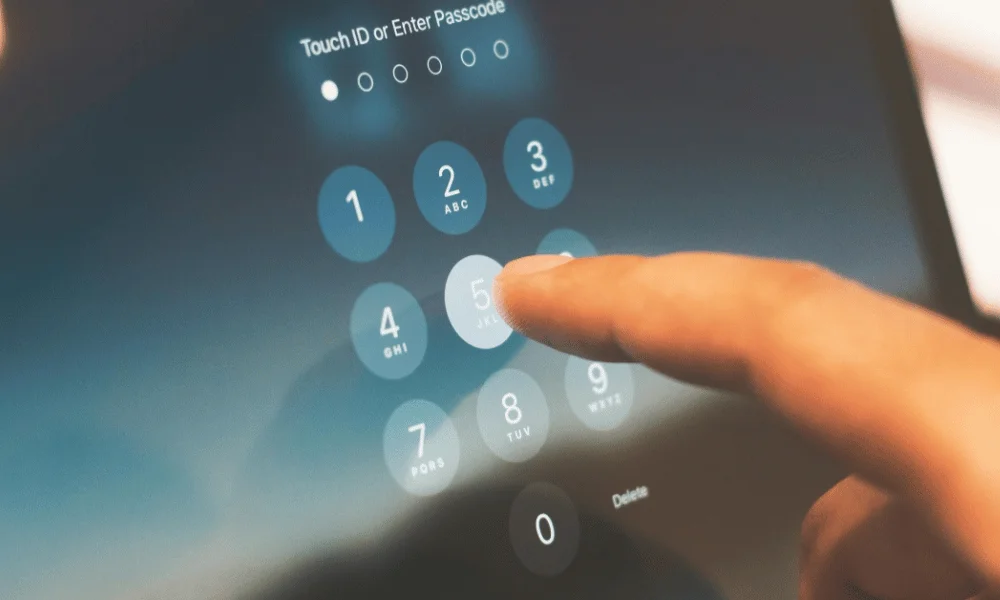
Technology has made managing our money easier than ever, but it’s also made us more vulnerable. Every week seems to bring a new kind of scam, from fake IRS texts to convincing “package delivery” emails and even voice clones that sound just like a loved one. It’s unsettling, especially when these messages look or sound so real.
At Team Hewins, we see how these threats can touch anyone, regardless of age, experience, or financial background. The difference often comes down to awareness and pause: taking a breath before clicking, responding, or sending. That small moment of hesitation can be the most powerful defense you have.
This October is Cybersecurity Awareness Month, so we’re sharing a few real stories, common tactics to watch for, and simple ways to help keep your financial life more secure. Because feeling confident about your future also means feeling protected right now.
The Three Scams You’re Most Likely to See (and Why They Work)
Cybercriminals are getting smarter,1Sobol, Beth. “The New Face of Fraud.” The Boca Raton Observer, 20 Aug. 2025, https://bocaratonobserver.com/culture/features/the-new-face-of-fraud/. and their messages look more real than ever. Many of the scams our clients encounter share one goal: to make you react fast before you stop to think.
1. Impersonation Scams
These are the most common, and often the most convincing. They can look like:
- Fake emails or texts claim to be from a bank (ex. Bank of America, Chase, Capital One), an investment institution (ex. Charles Schwab, Fidelity), a shipping service (ex. UPS, FedEx, USPS), retailers or online merchants (ex. Amazon, Best Buy), or even a government agency like the Internal Revenue Service (IRS) or toll operators.
- You’re told to click a link, verify your account, or pay an overdue fee.
- The link leads to a counterfeit website or installs malware that can record your keystrokes or steal personal data.
2. The Slow-Burn
Not every scam demands instant action. Some unfold slowly, often under the guise of friendship or romance.
- “Pig butchering” scams2“Pig Butchering – How to Spot and Report the Scam – DFPI.” DFPI, https://dfpi.ca.gov/news/insights/pig-butchering-how-to-spot-and-report-the-scam/ are financial or investment fraud where a criminal builds a long-term, trusting relationship with a victim, then deceives them into sending them money or investing heavily in a fake cryptocurrency scheme. It starts with casual conversation and emotional connection.
- The scammer eventually asks for money to “help a loved one” or invest in a “sure thing.”
These cons in particular prey on empathy and isolation more than urgency.
3. Social Media & Messaging App Impersonations
Even social platforms aren’t safe from scams. We’ve seen scammers copy employee photos and bios from legitimate company websites to create fake messaging accounts on services like WhatsApp or Instagram. They then message strangers offering “exclusive investment opportunities.”
It’s personal, direct, and dangerously believable. When you see a familiar face and name, it’s easy to overlook those little red flags like a non-matching phone number or misspelled e-mail address.
The Spot and Stop: 5 Strategies to Help Keep Your Online Accounts Secure
Recognizing a scam is only half the battle. The real power lies in knowing what to do once you’re in that situation, while building habits that make you less vulnerable in the first place.
1. Pause Before You Act
Most scams succeed because they trigger a reaction (fear, guilt, or curiosity) before reason kicks in. Pausing for even five seconds before clicking or replying can make all the difference. In fact, that small moment of awareness is your best protection.
Take a breath. Step away from the screen. Ask yourself, “Does this make sense?” or “Who can I check with before I do anything?”
2. Go Straight to the Source
When in doubt, don’t reply, click, or call back. Instead, reach out through a trusted channel, the number on the back of your card, the official website, or the advisor you already know. A quick call to confirm can save you from a world of headaches.
3. Lock Down Your Credit
Freezing your credit with all three major bureaus (Experian, Equifax, and TransUnion) plus ChexSystems (which covers bank accounts) helps prevent anyone from opening new accounts in your name.
Think of this as closing the front door before trouble shows up. You can keep it frozen indefinitely and simply “lift” the freeze temporarily when you actually need it (like when applying for a mortgage, car loan, or new credit card).
If something already seems suspicious, you can also report a fraud alert with the one of the major credit bureaus. They will spread the word to the others and keep a closer eye on your accounts for the next year.
Lastly, request a free credit report3“Free Credit Reports.” Consumer Advice, 11 Sept. 2025, https://consumer.ftc.gov/free-credit-reports. each year to make sure no new accounts have been opened in your name.
4. Build Proactive Digital Habits
Small changes go a long way in keeping your personal and financial information safe. In your everyday life, you can:
- Use a password manager instead of a notebook or sticky note. It stores everything securely and helps you create stronger, unique passwords for every site.
- Turn on two-factor authentication (2FA), even if it feels like “one more step.” That extra code, usually texted or generated by an app, adds a strong second layer of protection. Think of it as locking both the doorknob and the deadbolt.
- Don’t click on links or attachments from unfamiliar senders, even if the message looks real. Scammers are masters of imitation, and one wrong click can invite malware onto your device. When in doubt, go directly to the company’s official website instead of following the link.
5. Keep Friends and Family in the Loop
Fraudsters often target older adults or people living alone. Having a friends and family plan for how to handle unexpected calls or emails makes everyone safer.
One client’s daughter, for example, helped her mom go paperless and shred old statements, a simple move that kept sensitive information out of reach. Sometimes, just talking about these things openly makes them less scary and more manageable.
Read More: How to Recover From a Data Breach
Staying Safe, Staying Confident
We know many of you have already taken thoughtful steps to protect your information by setting up two-factor authentication, freezing your credit, or checking in with us before responding to something that doesn’t look right. That caution and awareness makes a real difference.
Still, new scams appear every week, and even the most careful among us can be caught off guard. If you ever get an email, call, or text that feels suspicious, please pause and reach out to us first. We’re always happy to take a quick look, talk it through, and help you verify what’s real, that’s part of what it means to have a partner who looks after your whole financial life.
If you’re not yet working with Team Hewins, now is a good time to take stock of your digital and financial defenses. We invite you to schedule a consultation, where we can identify your strengths, uncover potential vulnerabilities, and create a plan to help keep your information safe.
Team Hewins, LLC (“Team Hewins”) is an SEC-registered investment adviser; however, such registration does not imply a certain level of skill or training, and no inference to the contrary should be made. We provide this information with the understanding that we are not engaged in rendering legal, accounting, or tax services. We recommend that all investors seek out the services of competent professionals in any of the aforementioned areas. Certain information provided herein is based on third-party sources, which information, although believed to be accurate, has not been independently verified by Team Hewins. Team Hewins assumes no liability for errors and omissions in the information contained herein.
- 1Sobol, Beth. “The New Face of Fraud.” The Boca Raton Observer, 20 Aug. 2025, https://bocaratonobserver.com/culture/features/the-new-face-of-fraud/. ↩︎
- 2“Pig Butchering – How to Spot and Report the Scam – DFPI.” DFPI, https://dfpi.ca.gov/news/insights/pig-butchering-how-to-spot-and-report-the-scam/ ↩︎
- 3“Free Credit Reports.” Consumer Advice, 11 Sept. 2025, https://consumer.ftc.gov/free-credit-reports. ↩︎