


As we navigate 2026, cultivating healthy financial habits is more critical than ever. Whether you’re looking for good financial habits to protect your savings or advanced strategies for wealth management, these steps provide the foundation.
Whether you take your resolutions seriously or just want to adopt healthier financial habits, this one is for you. Just as a balanced diet and regular exercise contribute to your overall health, cultivating financial wellbeing requires adding some good financial habits to your routine.
Why Healthy Financial Habits Matter in 2026
Establishing a routine for your finances has always been a smart move, and in 2026, it’s a necessity. We are navigating a unique economic landscape where the old rules of thumb—like the standard 3% inflation buffer—no longer tell the full story.
Between the shifting cost of living in high-tax states and the sunsetting of previous tax protections, your autopilot settings might actually be costing you. Healthy financial habits in 2026 aren’t just about saving more; they are about calibrating your strategy to ensure your purchasing power stays ahead of inflation.
Sustaining financial success involves more than just a well-crafted plan; it requires the mindful cultivation of habits that form the foundation of your financial fitness.
But what are good financial habits? In this blog post, we’ll explore seven essential habits to help you maintain and enhance your financial wellbeing throughout the year. And we’re even dropping in a few tips to help you stick with it.
1. Check Your Accounts Regularly

The first habit on our list is a simple yet effective one: regularly check your financial accounts. This ensures that you stay on top of your financial transactions, monitor for any irregularities, and maintain a clear understanding of your overall financial health. It can also help you identify fraud and avoid overdrafting accounts.
In 2026, this ensures your cash reserves are sitting in high-yield environments rather than stagnant checking accounts, keeping your liquidity working as hard as you do.
2. Implement a “Wait List” for Spending Decisions

This habit is your primary defense against decision fatigue. For high-income earners, the pressure to maintain a certain lifestyle can be high; a waitlist ensures every dollar spent is an intentional investment in your joy, not a reaction to a trend.
No one wants to be on the wait list, especially if it’s for Pilates class or your favorite restaurant. But when it comes to your finances, a wait list can be a good thing. To prevent impulse purchases that might derail your financial plan, adopt the 24-hour rule.
When faced with a significant (or impulse) buying decision, wait one day before making the purchase. This gives you time to reflect on whether the expense aligns with your financial goals and priorities. Often the impulse subsides, and you’re left with more money in your account instead of buyer’s remorse.
Pro Tip: Make Financial Management Enjoyable
When I say, “Let’s review your budget and monthly expenses,” do you want to run for the hills? It’s hard to get something you don’t enjoy to the top of the list. So, let’s find a way to change that!
Turn financial tasks, such as reviewing your monthly spending, into enjoyable experiences by incorporating activities you love. Put on your favorite music , put on some cozy slippers, or grab a friend and head to your favorite coffee shop. You can also reward yourself with a glass of wine or indulge in a beloved TV show after completing your financial review. By associating positive experiences with financial management, you’ll be more likely to stay committed to your habits.
3. Track and Analyze Spending Regularly
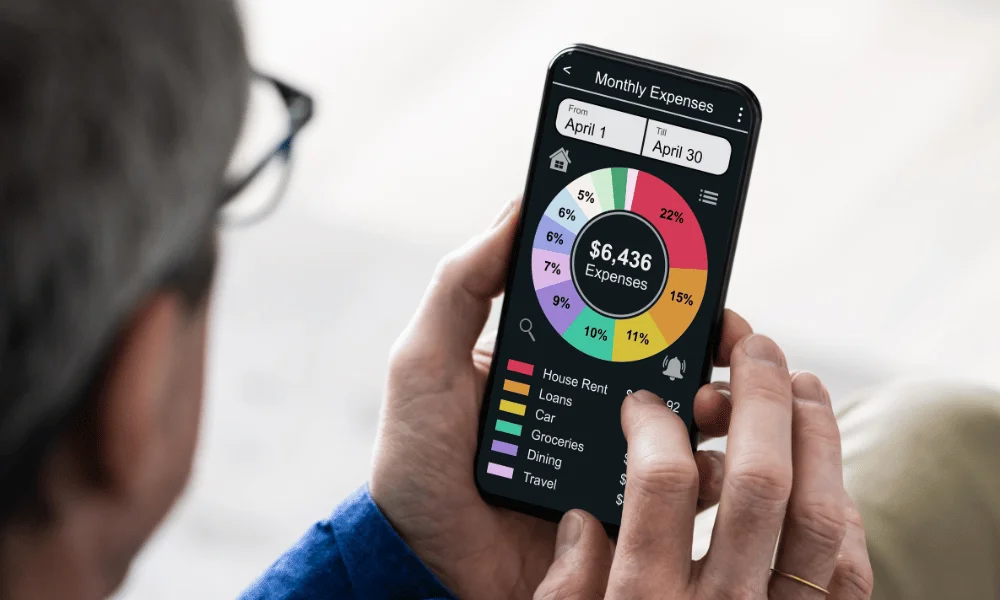
Tracking isn’t about restriction; it’s about data. By analyzing your spending, you can identify your true cost of living, which is a vital metric when we look at Habit #7 (The Inflation Shield Audit) later in this post.
Just as fitness enthusiasts track their workouts, keep a close eye on your spending. Regularly analyze your expenditures to identify patterns and areas where adjustments can be made. This habit can help you identify expenses that you can cut, such as unused subscriptions, and empowers you to make informed decisions next month.
Pick a recurring schedule that works for you. Maybe it’s every paycheck, the last Thursday of every month or the first day of the month. Add a recurring appointment to your calendar to help you maintain this important financial habit.
Pro Tip:
A healthy financial habit in 2026 isn’t just about what you do, but when you do it. Mid-year (July) is the ‘Sweet Spot’ for tax and insurance audits, it’s late enough to have real data, and early enough to make changes before the year-end deadline.
4. Automate Your Savings and Investments

Automation is the set and forget pillar of healthy financial habits. In 2026, ensure your automations are optimized for the new tax landscapes, moving money not just into savings, but into the correct tax buckets'(Brokerage vs. Roth vs. Traditional) to maximize long-term flexibility.
Take advantage of technology to simplify your savings and investments. Set up automatic transfers to your savings or investment accounts each paycheck. By paying yourself first, you can ensure that your financial goals are prioritized, helping you build wealth consistently over time.
If automatic transfers aren’t possible between certain accounts, then make sure you add this to your to-do list every time you check your accounts or are paid.
Read more: 401k and IRA Contribution Limits: What You Should Know
Pro-Tip: Financial Habits Are Self-Care
Think of financial management as an act of self-care. Spending time on your finances is an investment in your wellbeing. Treat it with the same level of importance as other self-care routines.
5. Beware of Lifestyle Creep

Lifestyle creep often happens in the ‘hidden’ areas—subscriptions, premium services, and convenience costs. Make it a habit to reverse-engineer your raises: for every dollar your income increases, commit 50% of it to your future self before it ever hits your lifestyle account.
Some lifestyle creep is typically fine as long as you’re still saving more than you’re spending. And you worked hard for it! Enjoy it… a little. Be sure to revisit your budget regularly to ensure it aligns with your current financial goals and values.
Nicer things make us feel great in the moment but eventually they can become the new normal and pave the way for even more lifestyle creep. Being aware of lifestyle creep and making it a financial habit to revisit can help you maintain control over your finances.
6. Stay Informed and Educated

The financial landscape is shifting faster than ever. Continuous education isn’t just a hobby; it’s a risk management tool. As we move into the second half of 2026, specific legislative changes, like those in the One Big Beautiful Bill Act—require more than just general knowledge. They require a targeted audit of your existing plan.
Continuous education empowers you to make informed decisions, helping to ensure that your financial plan is adaptive and resilient.
Your financial advisor might take on much of this work by recommending rebalances to your portfolio and by keeping you informed of changes in the tax laws, deadlines, and updates to retirement contribution limits.
7. Advanced Habits for High-Income Professionals

For those who have already mastered the basics of budgeting and automation, the goal shifts from saving to optimization. If you are managing a complex estate or high-earning career, your habits need to be as sophisticated as your portfolio.
Once you’ve secured the foundation, the next level of healthy financial habits involves looking at the complex side of wealth: taxes and risk. In 2026, the complexity of the One Big Beautiful Bill Act (OBBBA) and the shifting estate tax exemptions mean that set it and forget it is a risky strategy.
Advanced habits for 2026 include:
- Quarterly Tax Projection: Moving beyond the annual April filing to a proactive, mid-year look at your withholdings and the new $40,400 SALT limit.
- Asset Location Management: Not just what you own, but where you own it (Roth vs. Taxable vs. Trust) to maximize tax efficiency.
- The ‘What If’ Audit: Regularly reviewing your insurance and estate documents to ensure they reflect today’s replacement costs and today’s family goals.
True financial serenity doesn’t come from the size of your balance sheet, it comes from the confidence that your habits are aligned with the new rules of wealth in 2026.
Conclusion
Let 2025 be the year you take control of your finances. By implementing these habits, you’ll be setting yourself up for long-term financial success. As you continue your journey of financial wellbeing, remember that cultivating healthy habits is an ongoing process. By incorporating these practices into your routine, you’ll not only safeguard your current financial standing but also pave the way for a more prosperous and confident future. With a solid foundation, a well-crafted plan, and the right advice, you’ll be well on your way to achieving lasting financial peace of mind.
Does your current plan account for 2026?
If your financial strategy hasn’t been updated to reflect the recent tax laws or the recent shifts in insurance replacement costs, you might be carrying risks you aren’t aware of.
We specialize in helping high-income professionals audit the fine print so they can stop worrying about what if and start enjoying what they’ve earned.
Let’s see how your current strategy stacks up against this year’s new rules. Let’s talk. We’ll take a quick look at your 2026 trajectory and identify the two or three levers that will move the needle most for your family.