

Where to begin? It is difficult to make sense of all of the events unfolding around the world as we approach the end of a tumultuous year and look ahead to what seems likely to be another one.
At times like this, we may do well to step back and outline, at the highest level, the major events unfolding right now, and ask what the potential impacts could be. What do we actually know, versus what we feel or wish for?
As we do this, it is useful to remind ourselves that events here and abroad, as disruptive as they may be, do not tend to affect capital markets in predictable ways. We always need to guard against allowing our feelings, which can be affected by events in the world, from influencing our investment decisions.
To be very clear, we don’t feel much like celebrating with the problems facing the world right now, but we want to remain analytical and report what is actually happening in the markets despite our troubles.
The Big Picture
– War
Well into year two of the war in Ukraine, Hamas attacked Israel in horrific fashion and Israel responded by invading Gaza. We tend to focus on these two wars, but there are many other conflicts all over the world, almost too numerous to mention. But these two are seen as critical by most of the world’s major powers and seem to threaten to engage others as well, a potentially devastating outcome. We are right to be very concerned.
The war in Ukraine appears likely to drag on for some time. Meanwhile, Israel is moving very rapidly to destroy Hamas, and will likely need to occupy Gaza in some way, for some time. But there are a lot of variables, military and political, … a lot of uncertainty. And bloodshed.
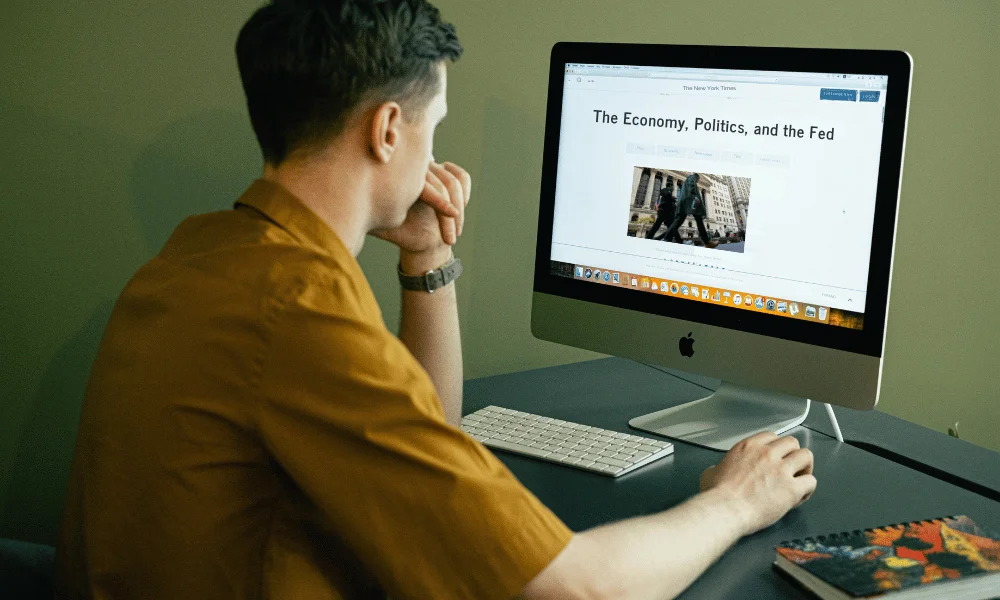
– The Economy, Politics, and the Fed
We are less than a year away from what may be the strangest and most unpredictable presidential election in our lifetimes.
The market has concluded that the Federal Reserve is done tightening monetary policy, and it expects reductions in the federal funds rate beginning next year. Bond yields, which have soared over the past two years, have declined sharply in the past month. The 10-year U.S. Treasury, which recently yielded more than 5%, is yielding just than 4.2%.[1]
A variety of employment indicators are signaling a cooling economy. For example, job openings fell 617,000 in October to 8.7 million, down from a record high of 12 million in March 2022. The ratio of job openings to unemployed workers has fallen to 1.3.[2]
Sharply rising prices can be difficult for consumers and businesses. On the one hand, the inflation rate jumped sharply a few years ago as energy and shelter costs soared. Recently, the rate of inflation slowed considerably and now, it seems to have settled around 3%. The Fed is targeting a 2% annual inflation rate, but it may have to settle for “close enough for government work” at 3%. Prices are not likely to go back down again. They rose sharply, and now they are continuing to rise but at a slower rate. Prices are substantially higher than a year or two ago and can be expected to increase further.
– So, How Are the Capital Markets Responding?
Well, after a negative third quarter, we just experienced the best month for stocks and bonds in a long time. Despite the turmoil, the financial markets are actually having a pretty good year. The S&P 500 Index rose more than 9% in November alone, and is up over 20% year to date, but that’s not all. In November, equities across the board returned a similar amount, and bonds, as represented by the Bloomberg Aggregate Bond Index, were up 4.5%. Virtually every asset class has positive year-to –date returns.[3]
Again, as upset and even horrified as many of us are at what is happening in the world today, we remain calm and focused when we think about our long-term investments. Damaging our portfolios by overreacting to these events won’t save anyone.
1. “Resource Center | U.S. Department of the Treasury.” U.S. Department of The Treasury, 29 Nov. 2023, https://home.treasury.gov/resource-center/data-chart-center/interest-rates/TextView?type=daily_treasury_yield_curve&field_tdr_date_value_month=202312. Accessed 11 Dec. 2023.
2. Hufford, Austen. “Signs of a Weakening Job Market, in Five Charts.” WSJ, 5 Dec. 2023, www.wsj.com/economy/jobs/signs-of-a-weakening-job-market-in-five-charts-86b05716.
3. Source: Morningstar Direct. Data as of 12/11/2023.